the quiet arrival
On a warm spring Tuesday afternoon at the Red Hook waterfront, looking out at the ships and the Statue of Liberty, I watched Arsenal end their decades-long drought and become Premier League champions. It had been a great day so far. The sun was shining, my friends and I had taken the ferry over in the morning, and had brisket and mac and cheese for lunch. For a lot of us, it was one of the last times we’d all be in the same place before everyone scattered to different cities.
Halfway through an intense game of Wavelength, I checked my phone and noticed City were losing with 30 minutes left in the game. Unless City came back to win, Arsenal would win the league title. I instantly turned on the game. The game of Wavelenght continued around me. Nobody else was watching.
City ended up equalizing in stoppage time, but that wasn’t enough. Arsenal became champions for the first time in 22 years. The last time they won the league, I was in preschool, George Bush was president, and people were still using MySpace. The result didn’t feel real, and it took a few minutes to set in. Something I had wished and prayed for so long had finally happened. I stepped away, called my sister, texted my fellow Arsenal fans, and spent an hour thrilled by the result. Then I went back to my afternoon.
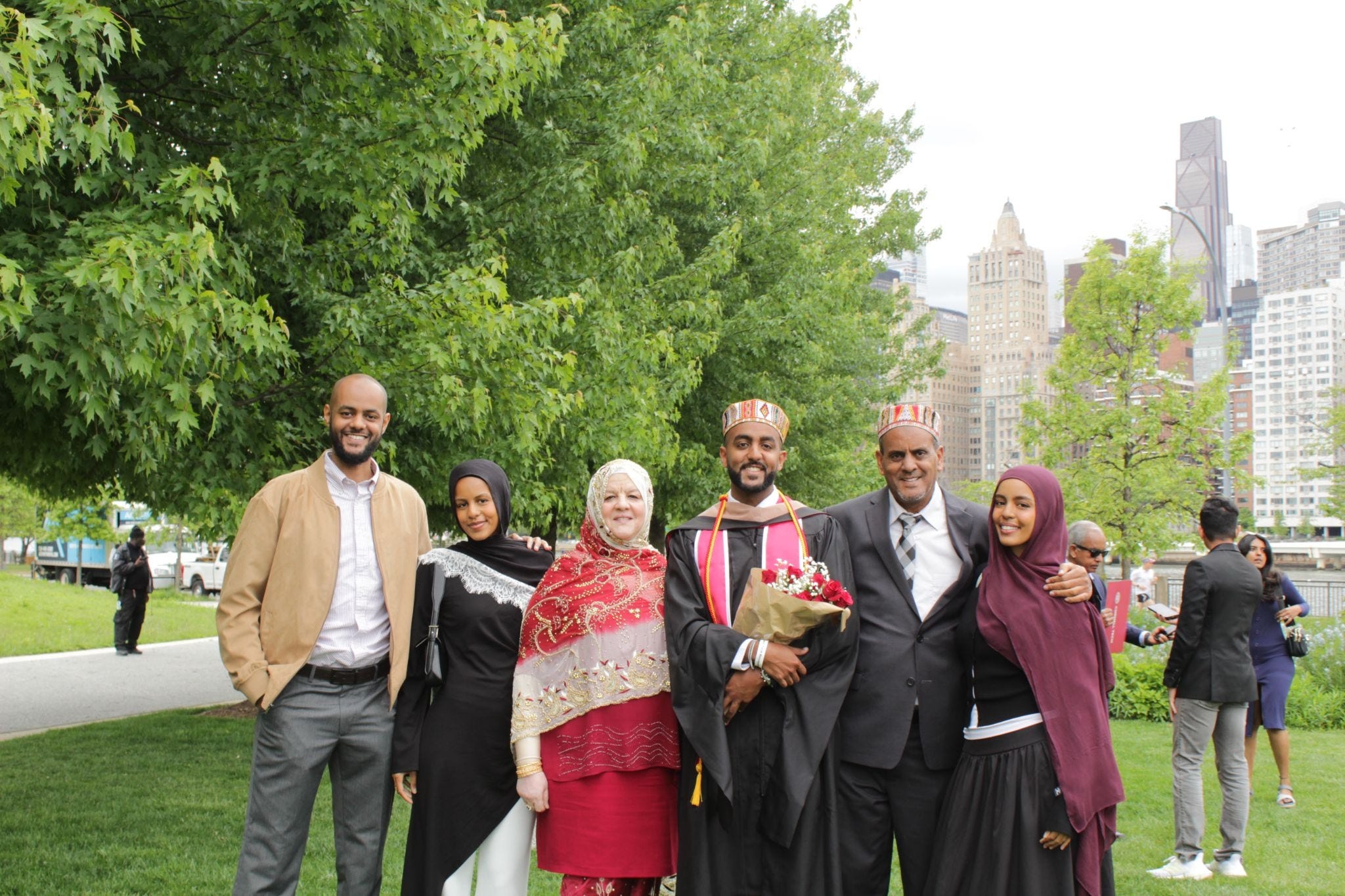
A few days earlier, I graduated from my MBA program. On graduation day, I woke up, went to the gym (and listened to ICEMAN), got dressed, went to the graduation ceremony, took pictures with family and friends, went to dinner with my family, and then celebrated with my friends. It was a truly wonderful day. But in many ways, just another day.
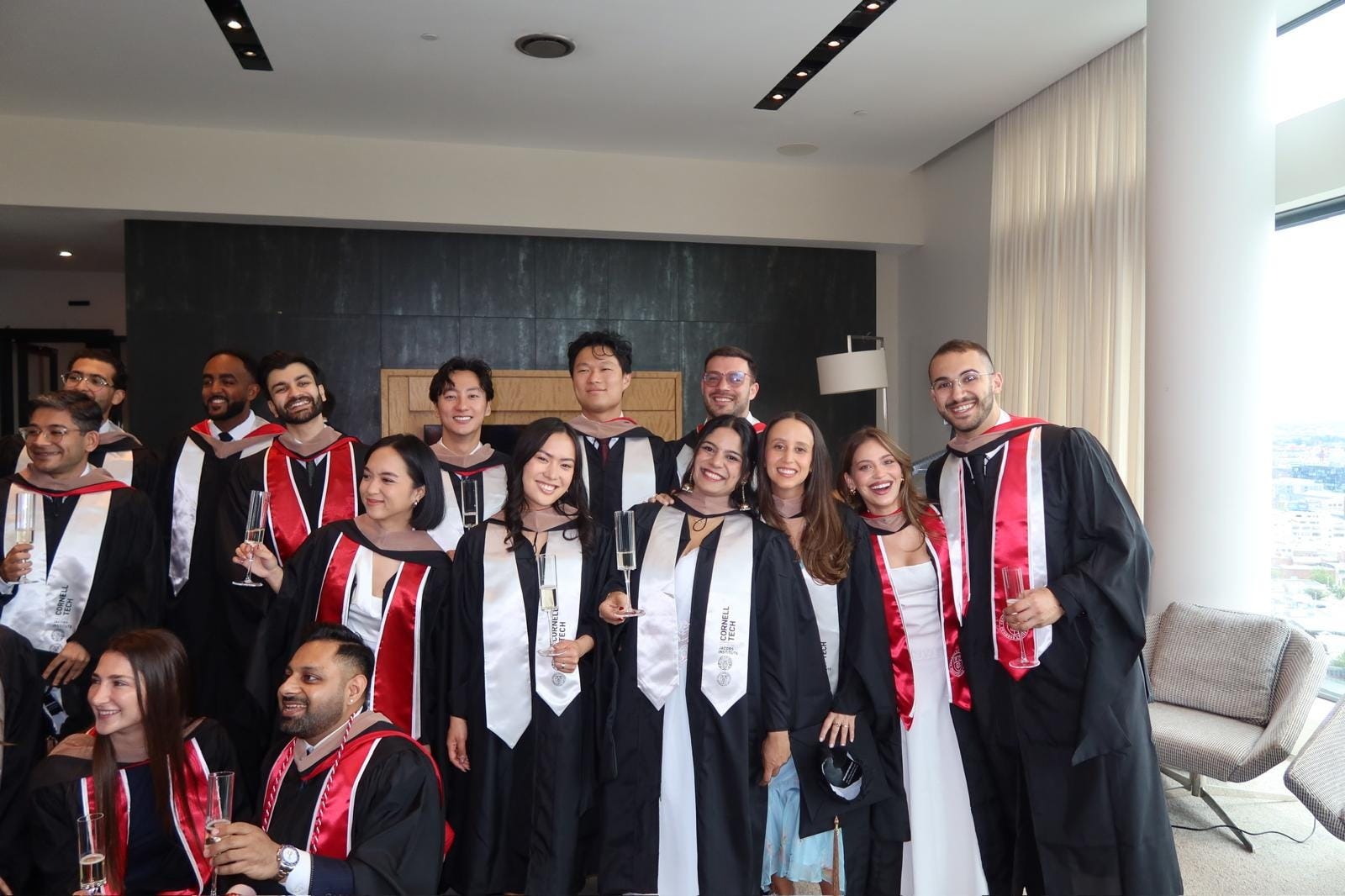
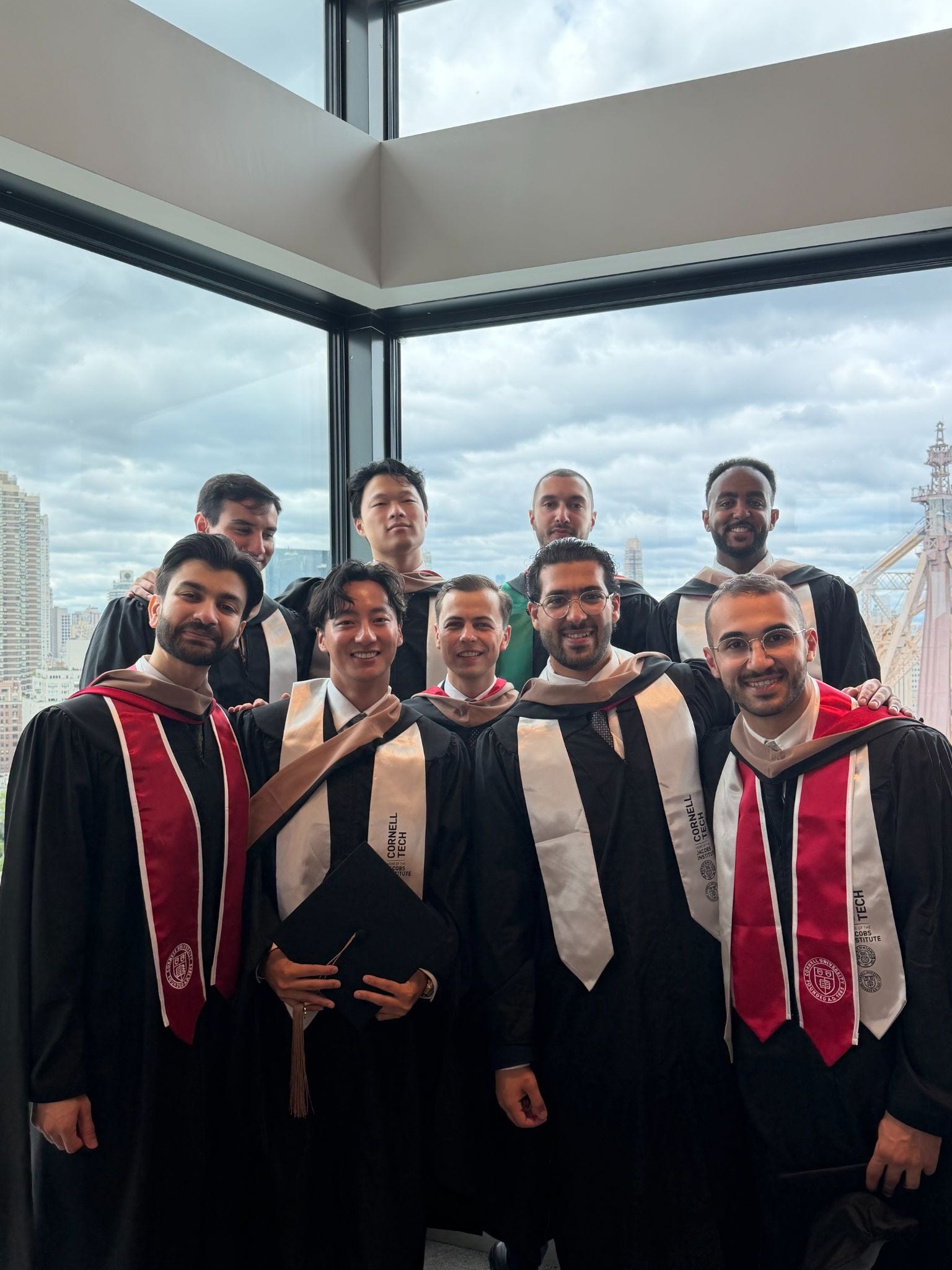
I had been dreaming about both of these moments for years. Both arrived rather quietly.
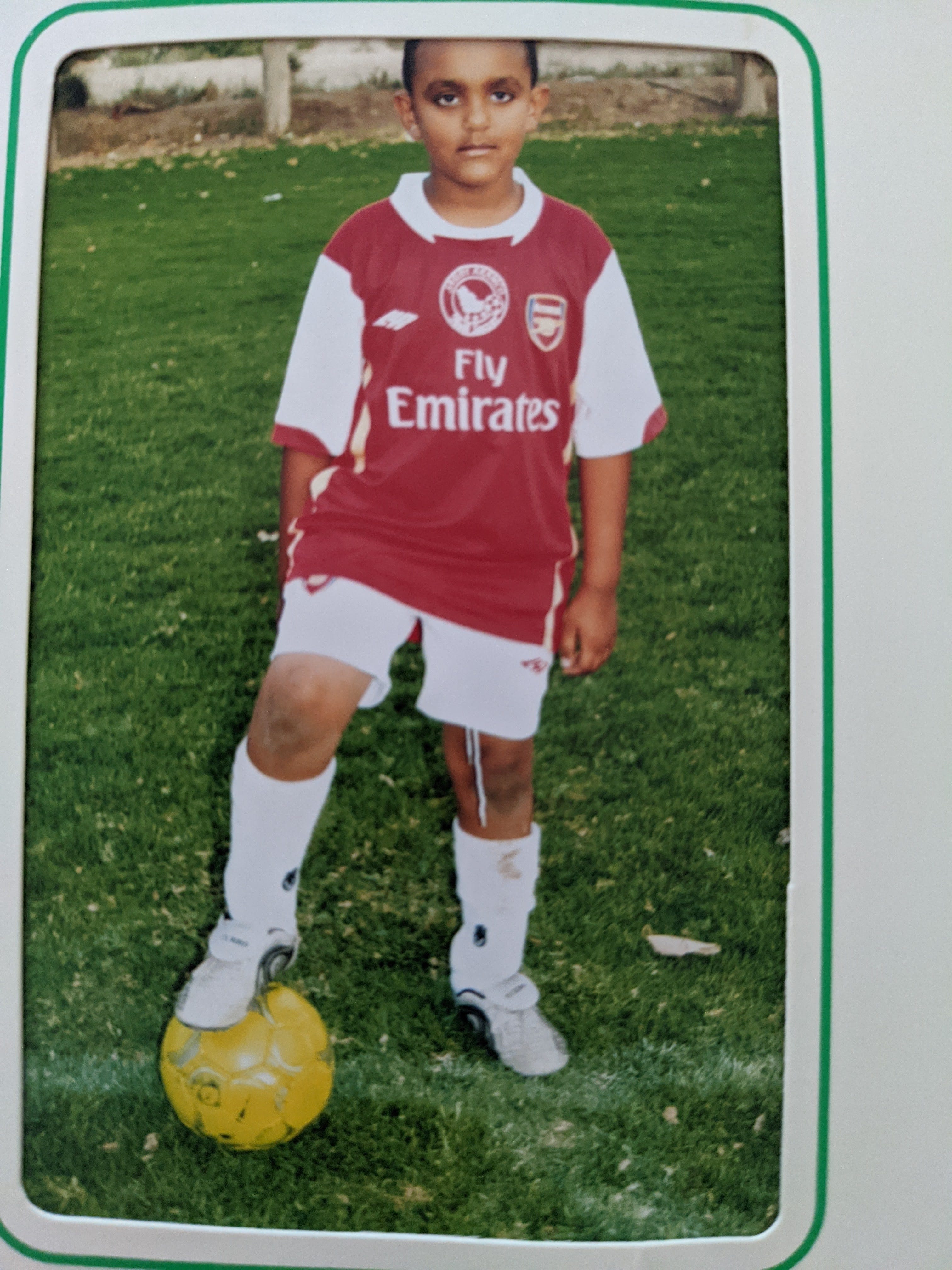
The younger version of me had a different outlook on this.
I had destination addiction, which is the belief that happiness lives at the next milestone. It is the belief that you will only be happy when you finish your degree, get your dream job, or when you “make it”. The problem is that this “when” keeps moving. With each milestone you hit, you celebrate and feel happy for a brief moment, and the clock on the next destination has already started.
My destination addiction was strongest in my first year of undergrad. I had a rule for myself back then: be in the library at 9 am every morning. I would often get there before the librarians and wait for it to open. A few times that year, I cut off my social life to focus on my studies. I told myself I would sacrifice and suffer for a few years and that I would be happy once I had a perfect GPA and my dream job offer. This mindset was effective and maybe even necessary at the time. I did well in school. I got the internships I needed and lined up the consulting job. But it was unsustainable. I was constantly stressed and unhappy. I was living entirely in anticipation of a future goal and destination.
The Courage to Be Disliked, a great book I read just after finishing undergrad, frames this as a mountain climb. If your goal is to reach the top of the mountain, and you tell yourself you’ll be happy once you get to the top, you’re bound to be disappointed: reaching the top is only a brief moment in the overall climb. The peak is always short. The climb is where most of your time is spent.
In Drake’s introspective track “Is There More?”, he reflects on this theme: being unsatisfied and searching for more despite reaching the top of the proverbial mountain.
“Is there more to life than goin’ on trips to Dubai?
Yachts on the 4th of July, G5 soarin’ the skies
Is there more to life than all of these corporate ties
And all of these fortunate times”
The crystal merchant in The Alchemist (one of my favorite books) faces the same problem from the other direction. He has dreamed of travelling to Mecca his whole life, but never goes, afraid that arriving there would leave him with nothing to live for. This is destination addiction inverted: instead of racing toward the milestone, he preserves it by refusing to arrive. Either way, the present disappears. When I first read this in my senior year of high school, I was sure the lesson was about courage: follow your dreams, don’t be the merchant. What I didn’t see was how much I had in common with him.
I understood this lesson conceptually, but my MBA year was the first time I put it into practice.
There’s a philosophical distinction that helped me name what I was doing.
Telic activities have a natural endpoint and are defined by their completion. Writing an essay. Getting a degree. Landing a job offer. On the other hand, atelic activities have no natural endpoint. Learning. Building relationships. Improving at a skill. Atelic activities have no finish line because they are ongoing activities.
The mistake I made in undergrad was treating my entire life as a telic activity. Structuring your life this way produces a permanent sense of not-quite-there. You spend years in the run-up to a milestone, reach it, tick it off, and immediately begin searching for the next one.
The solution is not to stop having goals, but rather to shift your relationship to your goals. Completing a degree is telic. The process of becoming educated is atelic. Landing a job offer is telic. Building a fulfilling career and expertise is atelic. The goals still matter because they provide much-needed direction, but they are no longer the only measure of satisfaction.
By the time I started my MBA, I’d made this mindset shift. The library-at-9am version of me would never have spent a weekend organizing dinner for 50 classmates at an Ethiopian restaurant in Brooklyn. There was no resume line and no grade attached to this, just a long table of people I wanted to spend time with. This year, I made a conscious effort to invest in these experiences and enjoy them. When graduation came around, it was the natural conclusion to a wonderful year.
The approach I took as an MBA student carried over to my football fandom.
Everything I said about beating destination addiction assumes some agency. You can choose how to approach your MBA. You can decide to be present, to invest in the people around you, and to focus on the process rather than an outcome. Supporting a football club gives you none of that. I have not kicked a single ball for Arsenal. I cannot affect the result of games, the fitness of players, or the decisions of the manager. Worse, the structure of being a fan forces destination addiction on you. The title is the only acceptable outcome. 38 games over 10 months build up to answer one question: did your team win?
For most of my life, the answer was no. Arsenal spent nearly two decades being mediocre and the joke of the league. Then, over the last three seasons, the team had a resurgence. In each of those seasons, Arsenal led the league for long stretches. The hope would build early in the season, and I would let myself believe that this was finally our year. I would faithfully tune in every weekend and watch us get closer to winning the long-awaited league title. Then, somewhere around February or March, it would fall apart.
I watched those collapses in horror. The 4-1 loss to City in 2023 (which I took the afternoon off of work to watch). The shocking loss to Villa the season after. Each collapse arrived with a wave of messages from friends who support other clubs. I’ve spent more hours than I’d like to admit arguing with delusional United fans about which team had a better season. I won’t be having that debate this year.
Those years were really painful. Destination addiction in a context where you have no control is a particularly bad deal. You’ve staked your emotional state entirely on an outcome you cannot affect, so every wobble on the way lands as a small catastrophe. A single bad result could ruin a Sunday.
So this year, I tried to watch Arsenal the same way I approached my MBA. As a fan, you cannot change a result. The only thing you can change is what you let a result do to you.
I enjoyed each game on its own. The last-minute equalizer against City early in the season. Both North London derbies. Last week’s crucial match against Burnley. I watched the season as a season rather than a 10-month trial for a single afternoon.
When the title came, it was a wonderful end to a season I had enjoyed, regardless of the outcome. It landed the way graduation had. A good hour, and then the afternoon carried on.
Arsenal is the better teacher. The MBA was an easy test for the lesson. I had agency, and I could shape the year. Football handed me the lesson without any of that. Most of what you actually care about in life is closer to watching a team than running a project. The fact that the lesson held up under those conditions is what makes me trust it.
There’s an obvious objection to all of this.
“Enjoy the journey” is what some people say when they haven’t arrived anywhere. It’s the cope of some who never quite make it, repackaged as wisdom. If you actually wanted something and got it, you’d feel euphoric. Some would argue that a muted arrival is just a lack of ambition in disguise.
That’s not what I’m advocating for. Five years ago, I made a plan: get a job in consulting, get promoted, and get an MBA. Alhamdulillah, five years later, I’ve done almost everything I set out to do. The atelic mindset didn’t make me less ambitious or teach me to want less. It simply made the process more enjoyable and sustainable.
The telic approach burns bright and tends to crash. You see it in people who grind toward one thing really hard, get that thing, and then stall. The atelic approach is a bit slower and more consistent by nature, but it compounds. You keep going because the process of learning and improving never ends.
A week after graduation, I’m already planning out my next five years. Not because I’m unsatisfied, but because the marathon continues.
In Hustle Harder, Hustle Smarter, 50 Cent describes life as an endless tunnel: no destination, no “happily ever after,” just a never-ending series of new challenges around the corner. I read that book around the same time as The Courage to Be Disliked, just after finishing undergrad. Both books made similar points, but it took a few more years for me to understand and implement their lessons.
That Tuesday in Red Hook, we stayed at the waterfront for a few more hours. We talked, played more games, and took some pictures.
Most of us didn’t know when we’d all be in the same place again. The title was everything I’d hoped for, for about an hour.
As the sun set, the celebrations were starting elsewhere in the city. We didn’t go.
Congrats Nadiem! It was a lovely day in red hook. And Arsenal have to grab the win next weekend. Cheers.